

Learn how we are working to transform how we use and produce energy.
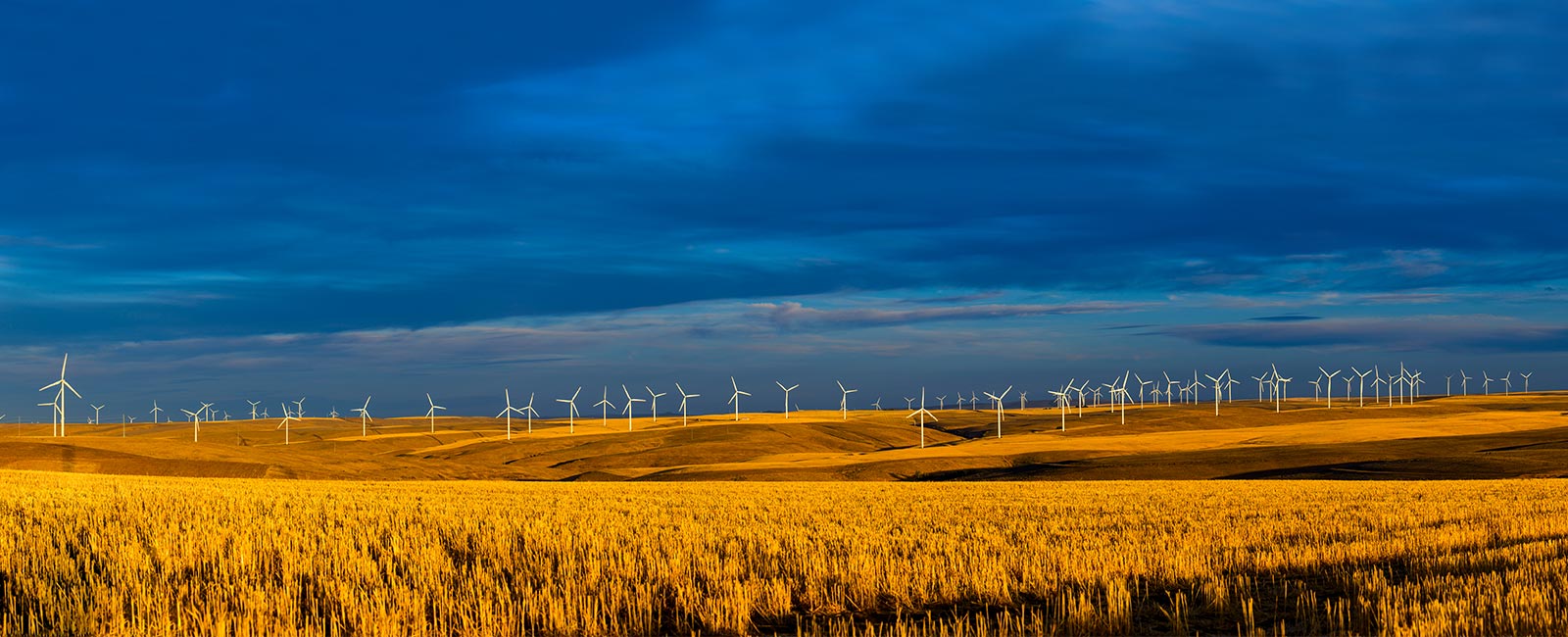
About RMI
Learn more about our values, mission, and history
RMI, founded as Rocky Mountain Institute in 1982, is an independent, nonpartisan nonprofit that transforms global energy systems through market-driven solutions to secure a prosperous, resilient, clean energy future for all. In collaboration with businesses, policymakers, funders, communities, and other partners, RMI drives investment to scale clean energy solutions, reduce energy waste, and boost access to affordable clean energy in ways that enhance security, strengthen the economy, and improve people’s livelihoods. RMI is active in over 50 countries.
As a 501(c)(3) nonprofit that generates the vast majority of its support from philanthropy, we rely on people like you to make our critical work possible.

Our mission: To transform the global energy system to secure a clean, prosperous, zero-carbon future for all.
How we do it
Business-as-usual approaches aren’t enough to confront the climate crisis while improving lives. RMI’s approach is to think bigger, do boldly, and scale globally.
RMI is the most effective organization on earth as far as I know in changing the huge impact that energy has on the world.
Keith Mesecher, Legacy Donor
Our values
Applied Hope. We believe systemic change is possible. We are bold and visionary in our aspirations. We are solutions-oriented, practical, and inclined to action.
Intentional Partnership. We work with others to create equitable change for all. We focus our actions on where our unique strengths are best applied. We are responsible stewards of our resources and partnerships.
Active Learning. We take time to listen, knowing that only through our collective wisdom can we be successful. We use data to inform our work and adapt based on what we learn. We invest in our learning and growth.
Inclusive Collaboration. We seek out diversity and foster inclusion. We prioritize balance and wellness for ourselves and our teams. We are transparent and treat each other with respect.
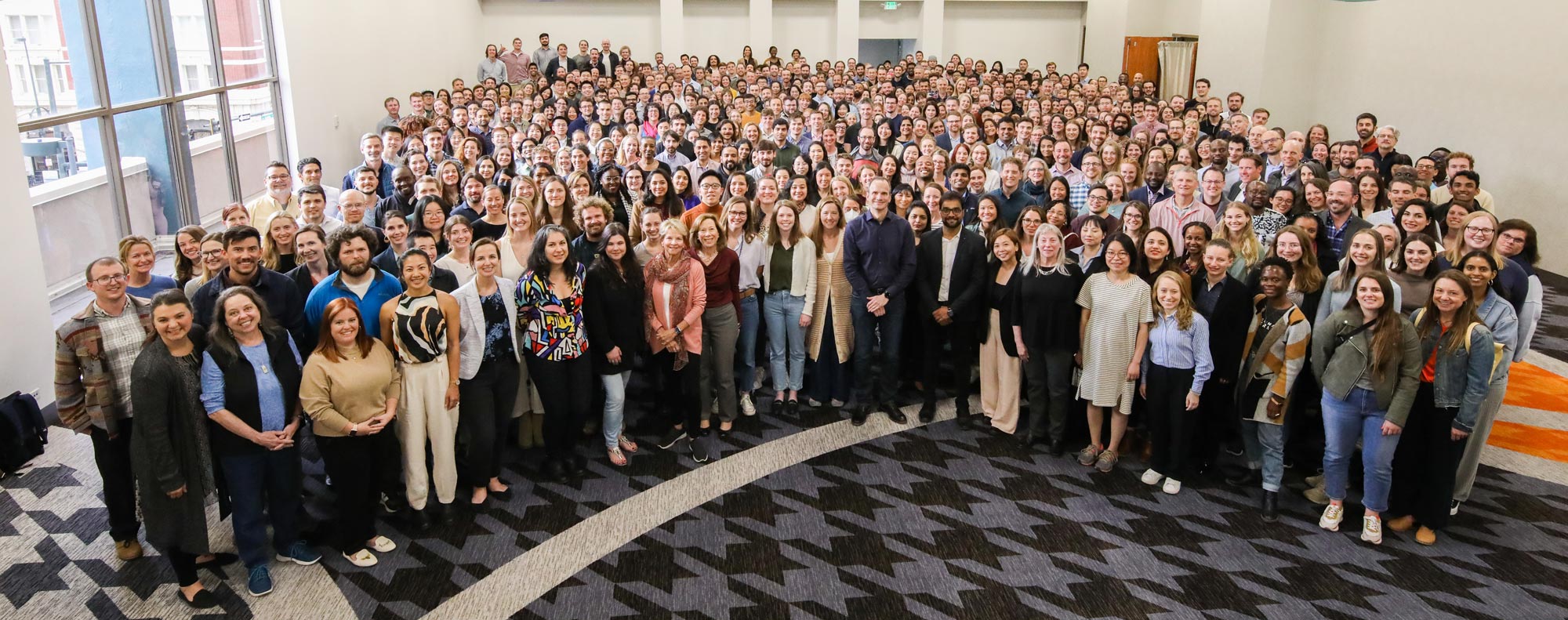
As of 2026, RMI has over 600 employees around the world. Meet our amazing staff.
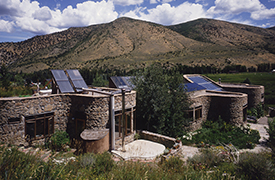
Amory Lovins cofounded RMI in 1982 to pioneer the soft energy path. Read about our beginnings and how we got to where we are today.
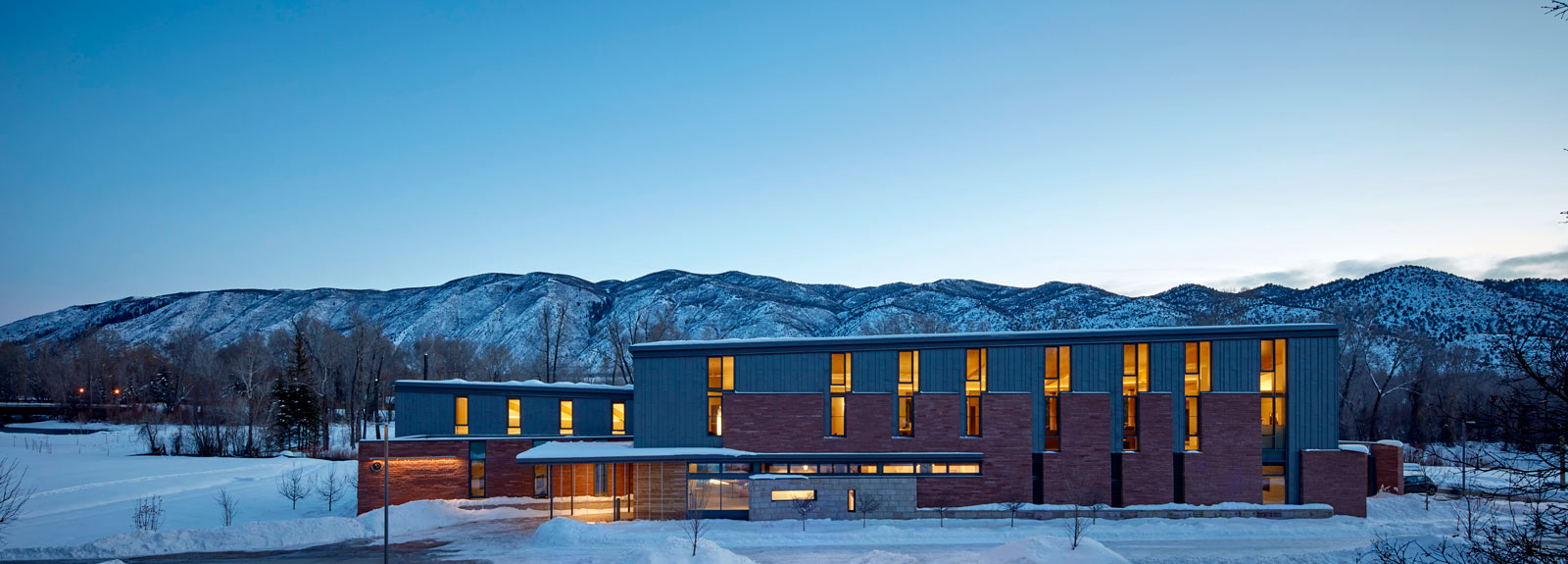
We have offices in Boulder and Basalt, Colorado; New York City; Washington, D.C.; Oakland, California; and Beijing, China.
Our online media room, the best resource for RMI’s latest news and key developments.
At RMI, we are committed to creating impact from the philanthropic investments of our donors.

RMI is governed by a board of trustees that has complete oversight responsibility for the Institute.
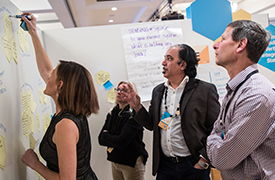
We believe finding the balance between working to live and living to work is a mutually beneficial relationship between employee and employer.
Help build the clean energy future. Donate today.
Independent research. Real-world solutions. Supported by donors.
RMI can pursue the highest-impact climate and energy solutions because we’re supported by people who believe change is possible. Every gift helps advance the work needed to make clean energy the default choice worldwide.
For other ways to give to RMI, including checks or gifts of stock, please visit Other Ways to Give.
