

Learn how we are working to transform how we use and produce energy.
Climate: Making Sense and Making Money
Why we share this work for free
RMI is an independent nonprofit working to accelerate the clean energy transition. We publish research like this to inform decision-makers and drive real-world impact.
Our work is supported by philanthropy as well as partnerships, including fee-for-service engagements. This support makes it possible for us to share our independent insights for free.
If you find this work valuable, you can support it anytime.
Get more insights like this
Stay up to date with the latest research, analysis, and tools from RMI by opting in to receive occasional emails below. You’ll get new reports, event invitations, and practical insights to help us all accelerate the clean energy transition.
Loading form...
Your download should start automatically. If it doesn’t, click the download button below.
This work is made possible by philanthropy
RMI is a nonprofit supported by donors and partners. Philanthropy enables us to produce independent research and make resources like this freely available.
If you find this report valuable, please consider supporting our work. You can also explore how we partner with organizations to drive impact.
Jump to Section
Climate change is not the inevitable price of progress, but rather “an unnecessary artifact of the uneconomically wasteful use of resources,” according to this influential white paper by Amory Lovins and Hunter Lovins. Many other studies have shown how the United States can reduce its greenhouse-gas emissions while stimulating the economy. This paper offers practical, market-based mechanisms for actually making that happen–without relying on the carbon tax or other “command-and-control” strategies that some economists and politicians fear would harm the economy. This report argues that saving fuel typically costs less than burning fuel, and the gap is widening as efficiency costs continue to fall faster than fuel prices. Engineering economics has made climatic protection not costly but profitable. Therefore, debates about climate science, who should save energy first, and how to share the alleged pain of the savings are all misconceived and irrelevant. Just as the American economy has succeeded in displacing leaded gasoline, chlorofluorocarbons, sulfur emissions, and many toxic chemicals—all at costs far lower than initially expected—so modern technologies and market understanding can profitably displace carbon fuels too, yielding both a stable climate and a vibrant economy. “
Authors

Amory Lovins
Cofounder and Chairman EmeritusRelated Insights

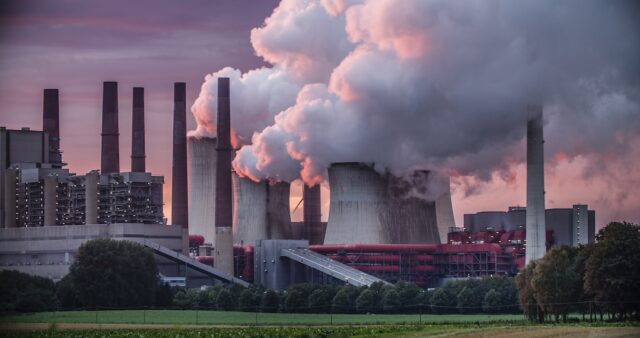
Reality Check: For Power Plants, Changing the Fuel Doesn’t Fix the Economics
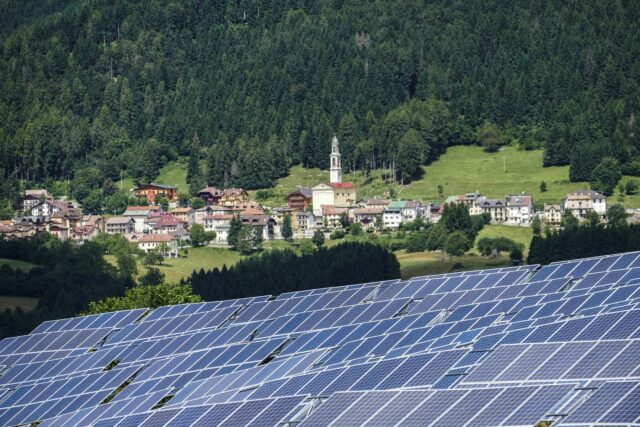

Beyond the First Frontier: What Comes Next for Carbon Removal
Help build the clean energy future. Donate today.
Independent research. Real-world solutions. Supported by donors.
RMI can pursue the highest-impact climate and energy solutions because we’re supported by people who believe change is possible. Every gift helps advance the work needed to make clean energy the default choice worldwide.
For other ways to give to RMI, including checks or gifts of stock, please visit Other Ways to Give.
