
Learn how we are working to transform how we use and produce energy.
Clean Energy 101s
Explaining the fundamentals of energy and the climate, along with the basic technologies and critical policies that are essential to decarbonize the world’s energy systems.
The energy transition is big, complicated, and often challenging to understand. Yet that shouldn’t be a barrier to progress. That’s why RMI is developing a growing library of 101s. Clear explanations of energy essentials — from heat pumps and electric vehicles to green hydrogen — can help untangle this complexity and show how it all connects.
For more on the energy transition and to set the record straight on misconceptions hindering climate action, see our library of “Reality Check” articles.
Explore our 101s
Gas Gone Global: LNG 101
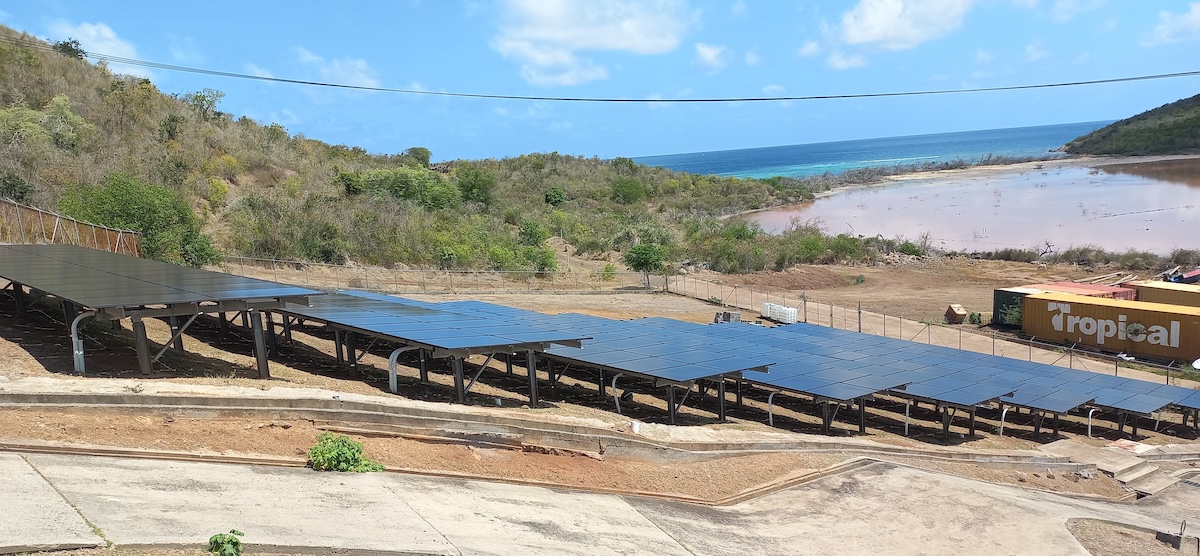
Clean Energy 101: Renewably Powered Minigrids
Affordability 101: Can We Cut American Energy Bills in Half?
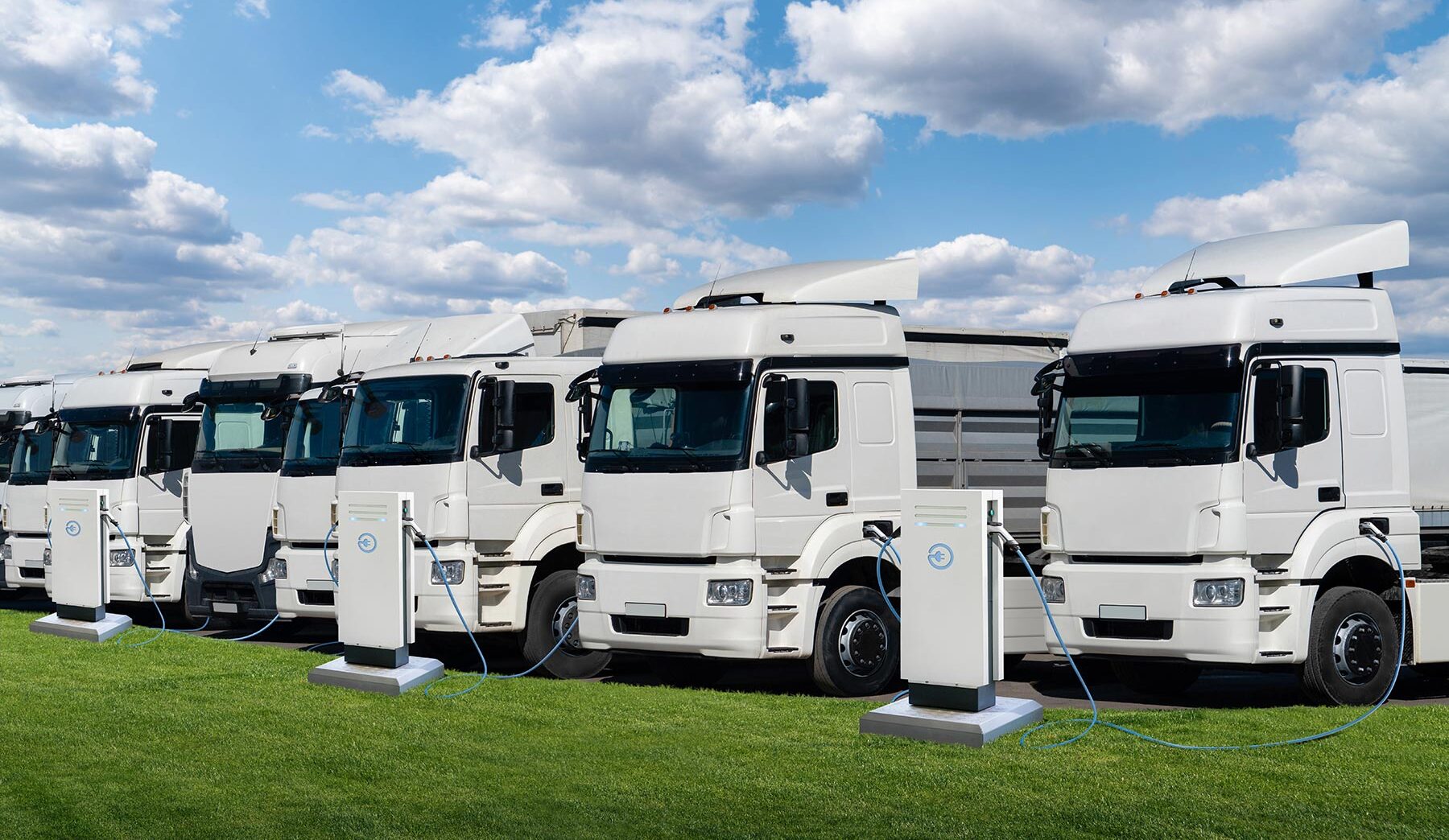
Electrification 101: Enabling Truck Charging with Flexible Service Connections
Building with Biomass 101: Turning Waste into Worth
Marginal Wells 101: What Are They, Where Are They, and Why Do We Need to Assess Them?
Clean Energy 101: Solid-State Cooling
Clean Energy 101: Nationally Determined Contributions
Clean Energy 101: Thermal Batteries
Climate 101: NCQG, The Key Climate Goal Behind the Acronym
Clean Energy 101: Demand Aggregation
Clean Energy 101: How Batteries Can Support Grid Reliability
Clean Energy 101: Ammonia’s Role in the Energy Transition
Clean Energy 101: The Chemicals and Climate Connection
Electrification 101: How Fleets and Utilities Can Work Together to Unlock Electrified Transportation
Methane Satellites 101: More Eyes Take to the Skies
Q&A: Why We Need Hydrogen Hubs
Electrification 101: Ensuring Equitable EV Charging Access
Sustainable Aluminum 101: How to Decarbonize a Critical Material for the Energy Transition
Electrification 101: How RMI’s New Tool Can Help Utilities Proactively Plan for EVs
Clean Energy 101: Why and How to Fund the Decarbonization of Aluminum
Clean Energy 101: Passive Daytime Radiative Cooling — or Really Cool Roofs
Electrification 101: Getting the Grid Ready for an EV Revolution
Clean Energy 101: EV Battery Recycling
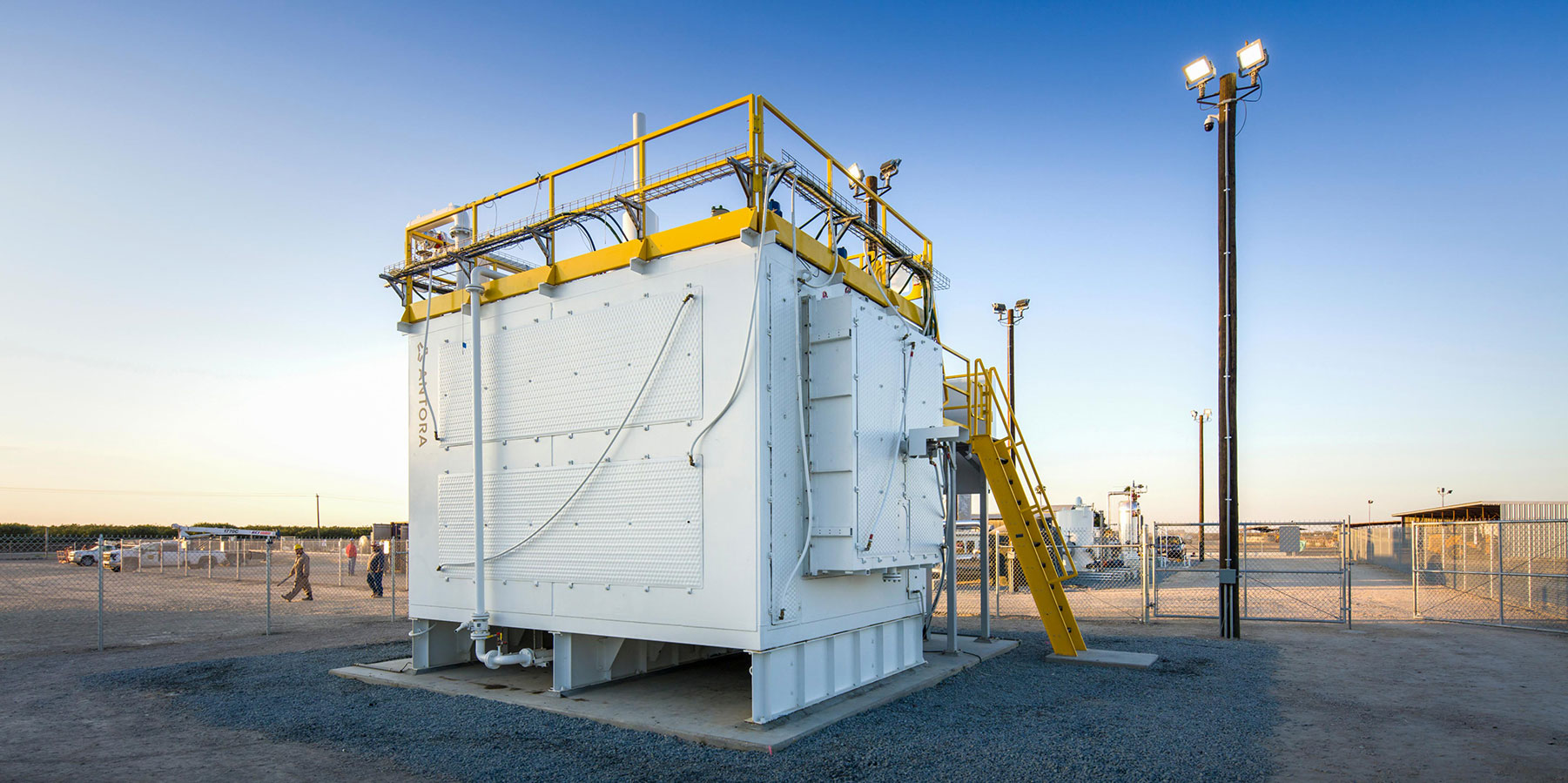
Waste Methane 101: Driving Emissions Reductions from Landfills
Clean Energy 101: All Plastics Aren’t Created Equal
Clean Energy 101: Book and Claim
JETPs 101: Helping Emerging Economies Go from Coal to Clean
Clean Energy 101: Geothermal Heat Pumps
Embodied Carbon 101: Building Materials
EV Batteries 101: Supply Chains
EV Batteries 101: The Basics
Clean Energy 101: Reducing Climate Pollution from the Plastics Industry
Clean Energy 101: Carbon Accounting
Methane-Detecting Satellites 101: The Completeness Quotient
Clean Energy 101: Virtual Power Plants
Clean Energy 101: ESG
Clean Energy 101: Heat Pumps
Clean Energy 101: The REC Market
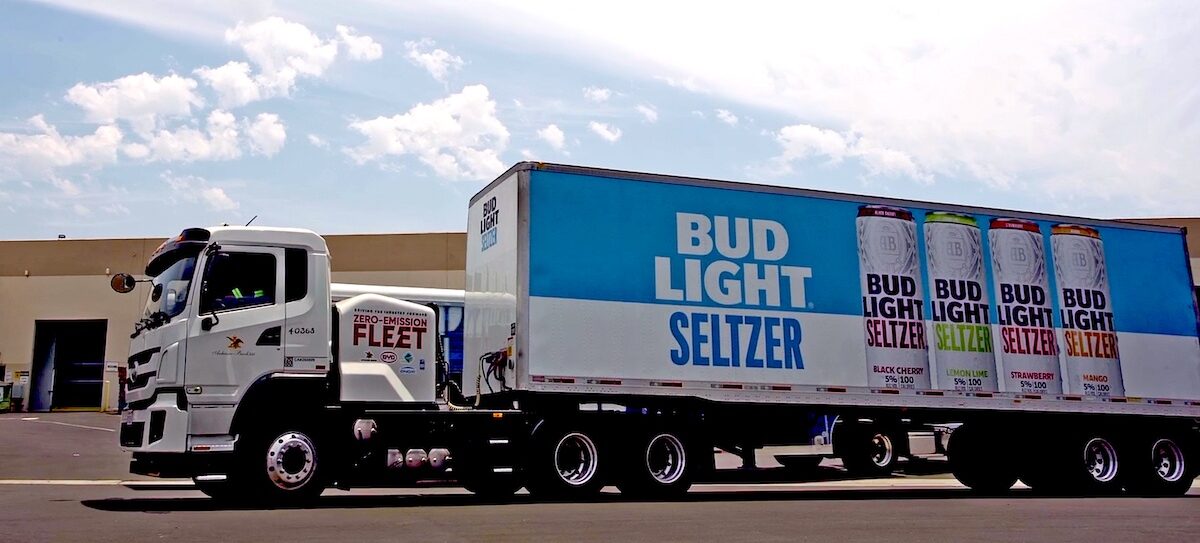
Clean Energy 101: Electric Trucks
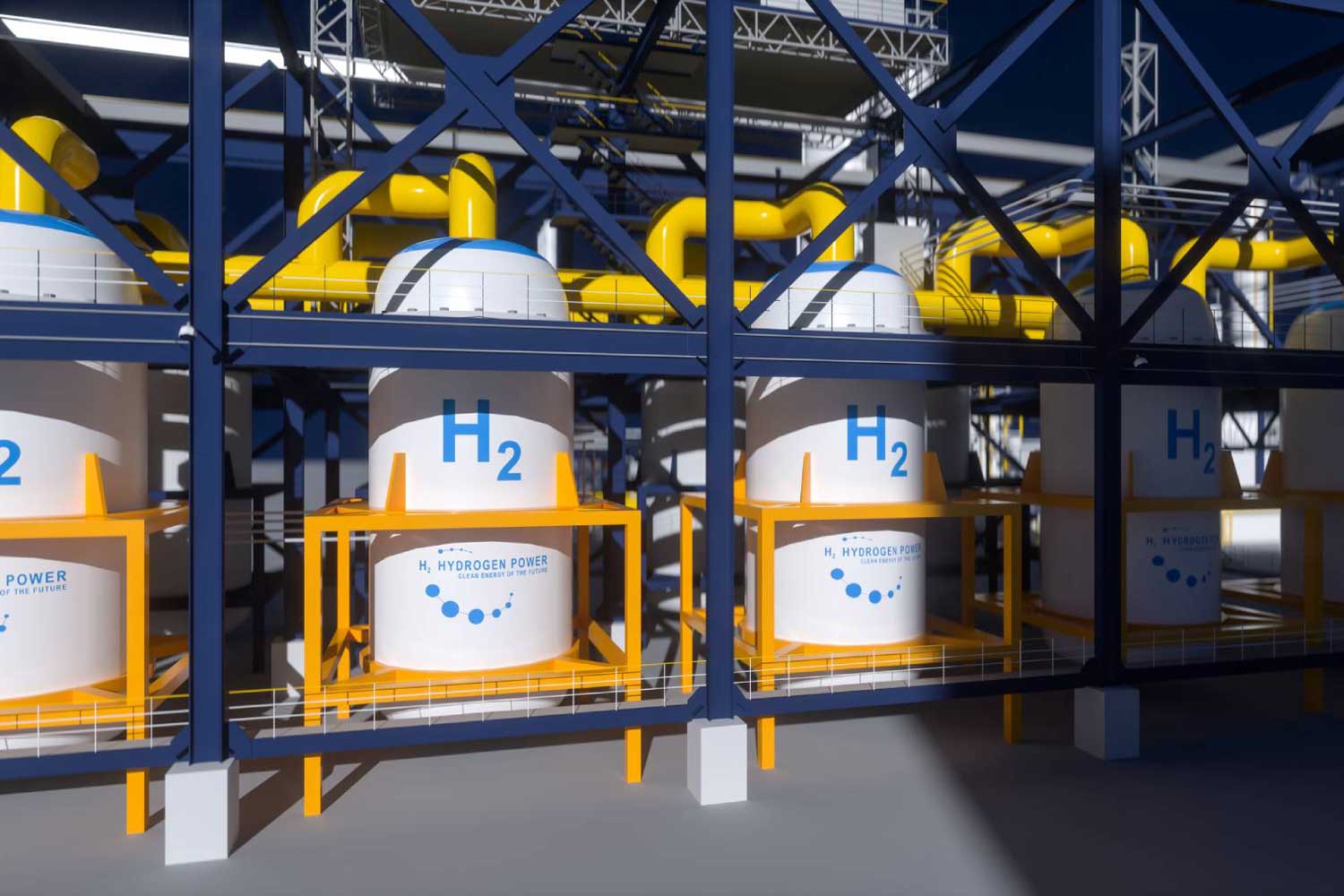
Clean Energy 101: The Colors of Hydrogen
Climate Finance 101: Demystifying Financial Mechanisms for the Global Coal Transition
Climate-Aligned Finance 101: What Is It, and Why Should You Care?
Green Banks 101
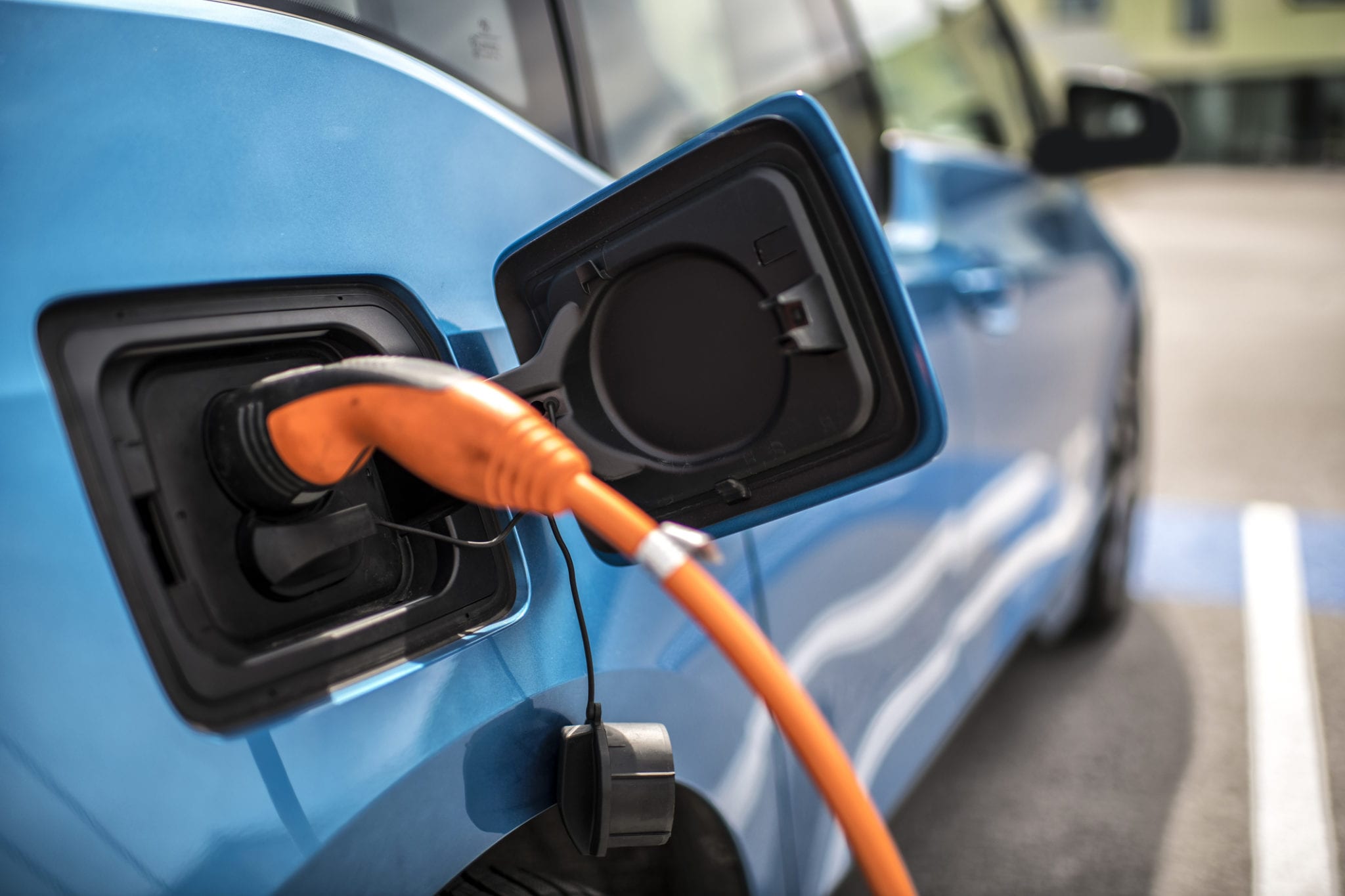
Clean Energy 101: Electric Vehicle Charging for Dummies
Clean Energy 101: RMI Experts Answer Your Questions
Brexit and Climate Change: 4 Questions Answered
Clean Energy 101: What Are Flexiwatts and How Can I Get Some?
Clean Energy 101: Going Solar — Options for Homeowners
Clean Energy 101: Five Real-World Facts About Electric Cars
Help build the clean energy future. Donate today.
Independent research. Real-world solutions. Supported by donors.
RMI can pursue the highest-impact climate and energy solutions because we’re supported by people who believe change is possible. Every gift helps advance the work needed to make clean energy the default choice worldwide.


For other ways to give to RMI, including checks or gifts of stock, please visit Other Ways to Give.